
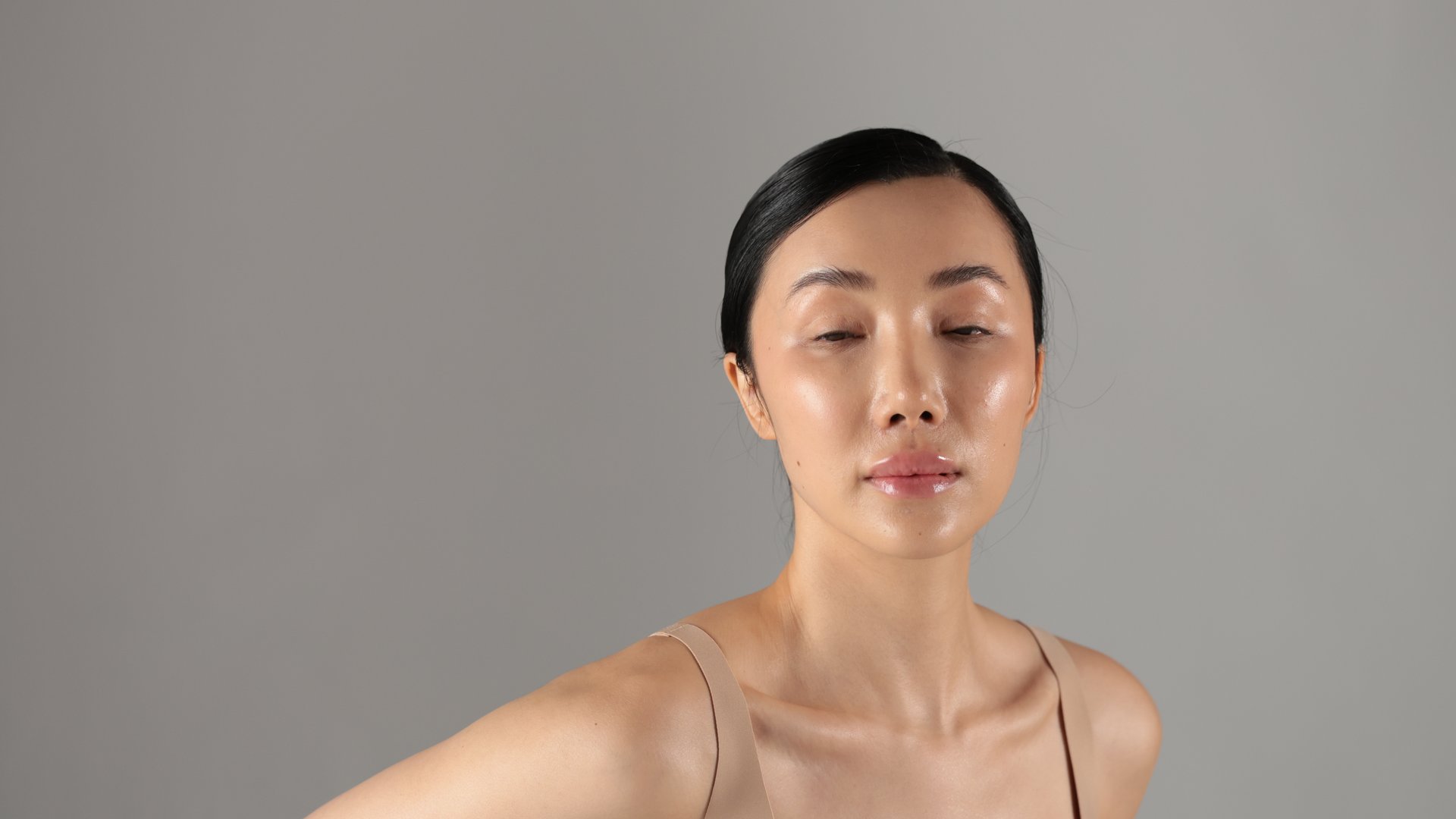
The same handful of skin concerns walks through our doors every week: breakouts that won't quit, dark spots that outlast summer, lines that used to fade by lunchtime, skin that just looks tired. Each one responds to a different category of care — and matching the concern to the right category is most of the work. Here's the honest map.
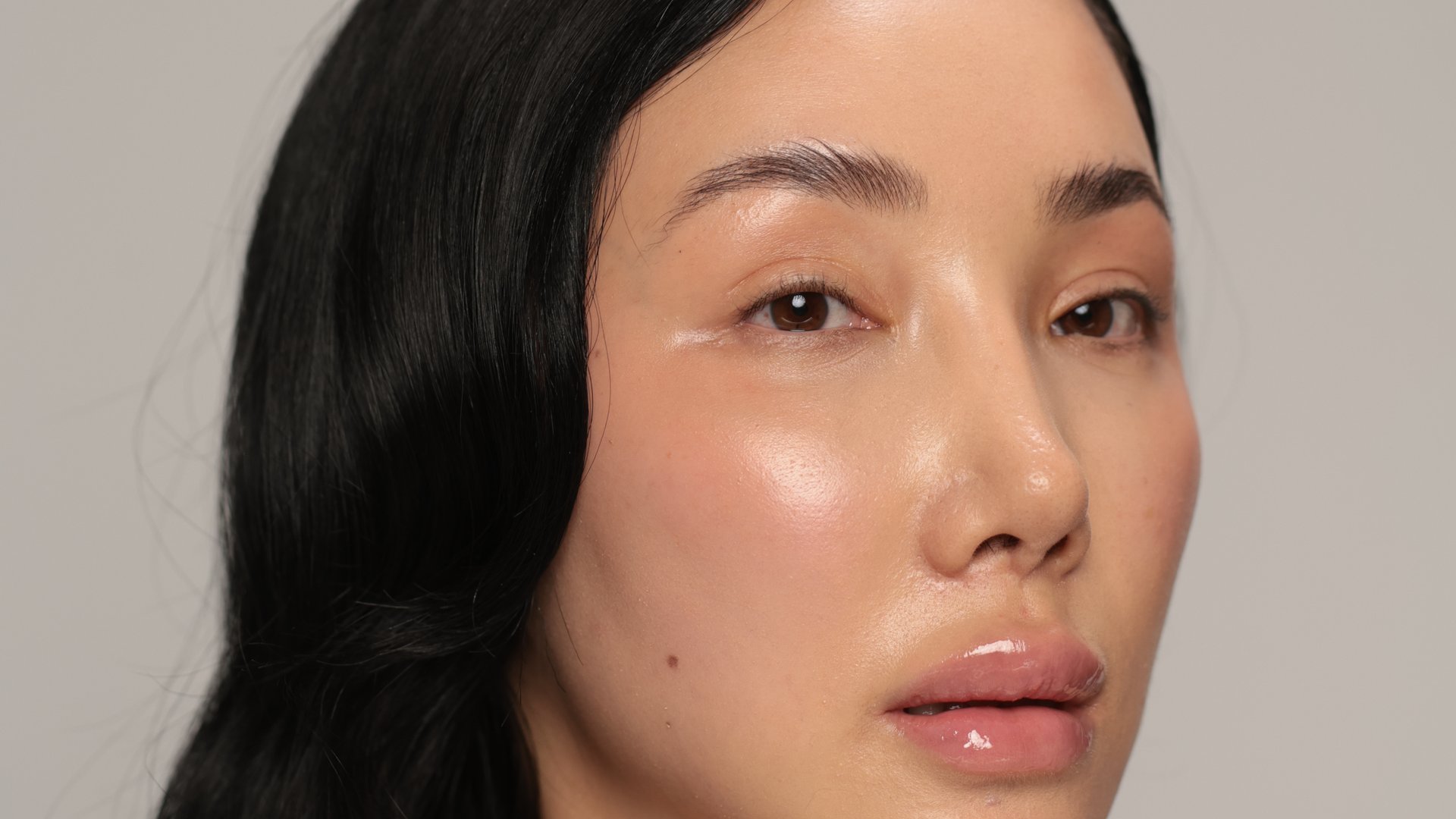
Start with the concern, not the treatment
Most people arrive asking about a treatment by name — a laser they saw online, a facial a friend swears by. The better question runs the other way: what is your skin actually doing? Congestion, pigment, movement lines, and slack texture are different problems living at different depths, and each maps to a different category of care.
Home care matters — it's the daily maintenance layer, and a good routine makes every in-office treatment work better. But professional treatments work at strengths and depths that home products aren't designed to reach. The map below covers where each category earns its place.
Acne and breakout-prone skin
Breakout-prone skin usually starts with congestion — pores that stay blocked faster than the skin can clear them. In-office, that's the territory of a deep-cleansing acne facial, where professional extractions and exfoliation clear what a cleanser can't, and chemical peels in the salicylic and glycolic family, which keep pores clearer by speeding up surface turnover.
Two honest caveats. First, persistent, painful, or cystic acne is a medical condition — spa treatments can support the skin around it, but they don't replace medical care, and we'll say so when that's the case. Second, acne scarring is its own concern: once breakouts settle, leftover texture is treated with the collagen-remodeling approaches in the wrinkles-and-texture category below, not with more acne care.
- Active congestion and breakouts → a deep-cleansing acne facial, often maintained with a peel series.
- Breakouts that are painful, cystic, or not budging → a medical evaluation first, honestly.
Dark spots, sun damage, and uneven tone
Pigment is the most "it depends" concern on this list, because dark spots aren't one thing. Sun spots, post-blemish marks, and melasma look similar in the mirror and behave very differently under treatment — melasma in particular can worsen with the wrong heat-based approach, which is why we identify the pigment before we treat it.
Once the type is clear, the options at our practice include an IPL photofacial — light-based treatment aimed at the pigment and redness left behind by sun exposure — and the same peel families used for breakouts, which help lift superficial discoloration as the surface renews. Daily sun protection carries the rest; without it, pigment work doesn't hold. Our pigmentation overview goes deeper on how we sort the types.
- Scattered sun spots and post-summer unevenness → an assessment for IPL or a peel series.
- Larger symmetrical patches (possible melasma) → identification first — the wrong treatment can deepen it.
Wrinkles, fine lines, and texture
"Wrinkles" is really two concerns wearing one name. Movement lines form where expression muscles repeatedly fold the skin — forehead, frown lines, crow's feet. That's the territory of neuromodulators like Botox, which temporarily soften the targeted muscle activity so the fold stops being rehearsed all day.
Etched-in lines, rough texture, and laxity are a different mechanism — collagen and surface quality — and they call for the collagen-stimulating category: microneedling, Morpheus8 radiofrequency microneedling, and CO2 laser resurfacing, in rough order of depth. As a rule, the deeper the treatment works, the more it asks in downtime — which is a planning conversation, not a ranking. Our fine lines and wrinkles overview breaks the decision down further.
- Lines that show when you move your face → a neuromodulator consult.
- Lines at rest, texture, or laxity → the collagen-stimulating category, matched to your downtime tolerance.
The best treatment isn't the trending one — it's the one that matches what your skin is actually doing.
Dryness, redness, and under-eye shadows
These three get grouped together because they share an answer: cause first, treatment second. Dryness is mostly a barrier-and-hydration story — humectant and ceramide home care does the daily work, and a DiamondGlow facial adds a professional reset, exfoliating and infusing serums the skin can actually hold onto.
Facial redness runs from occasional flushing to rosacea, and whether a light-based option like the IPL photofacial above makes sense depends entirely on the pattern — some redness should be evaluated medically before anyone treats it cosmetically. Under-eye darkness is the most misread of all: shadowing from volume changes, true pigment, visible vessels, and plain lack of sleep all look like "dark circles" and each points to a different plan. This is the corner of the map where we most often say: let us look first.
Every mapping on this page is a starting point, not a diagnosis. Skin type, history, medications, and the concern itself all change what's appropriate — a consultation is where the general map becomes your plan. — Farah Chahine, PA-C
- Breakouts and congestion → deep-cleansing acne facials and salicylic/glycolic-family peels; cystic acne needs medical care.
- Dark spots and sun damage → identify the pigment first, then IPL or a peel series; melasma needs extra caution.
- Movement lines → neuromodulators like Botox. Etched lines, texture, laxity → microneedling, Morpheus8, or CO2, by depth.
- Dryness, redness, under-eye shadows → cause first; home care and hydrating facials carry more than you'd think.
- No single treatment fits every concern — the matching is the work, and it happens at a consultation.
This article is general education, not medical advice, and individual results vary. A plan should be built around your skin — our team can map that with you. — Farah Chahine, PA-C