

No. Facial balancing does not mean making both sides of your face identical. It is a planned, multi-area filler approach that restores volume where it has been lost, typically 4 to 6 syringes over 1 to 2 sessions, so your cheeks, chin, jawline, and the rest of your features read in proportion to each other. No face is perfectly symmetrical, and a good plan does not chase that. Here is what balancing actually means at Skinsation LA in Los Angeles, which areas it usually involves, and how we build the plan.
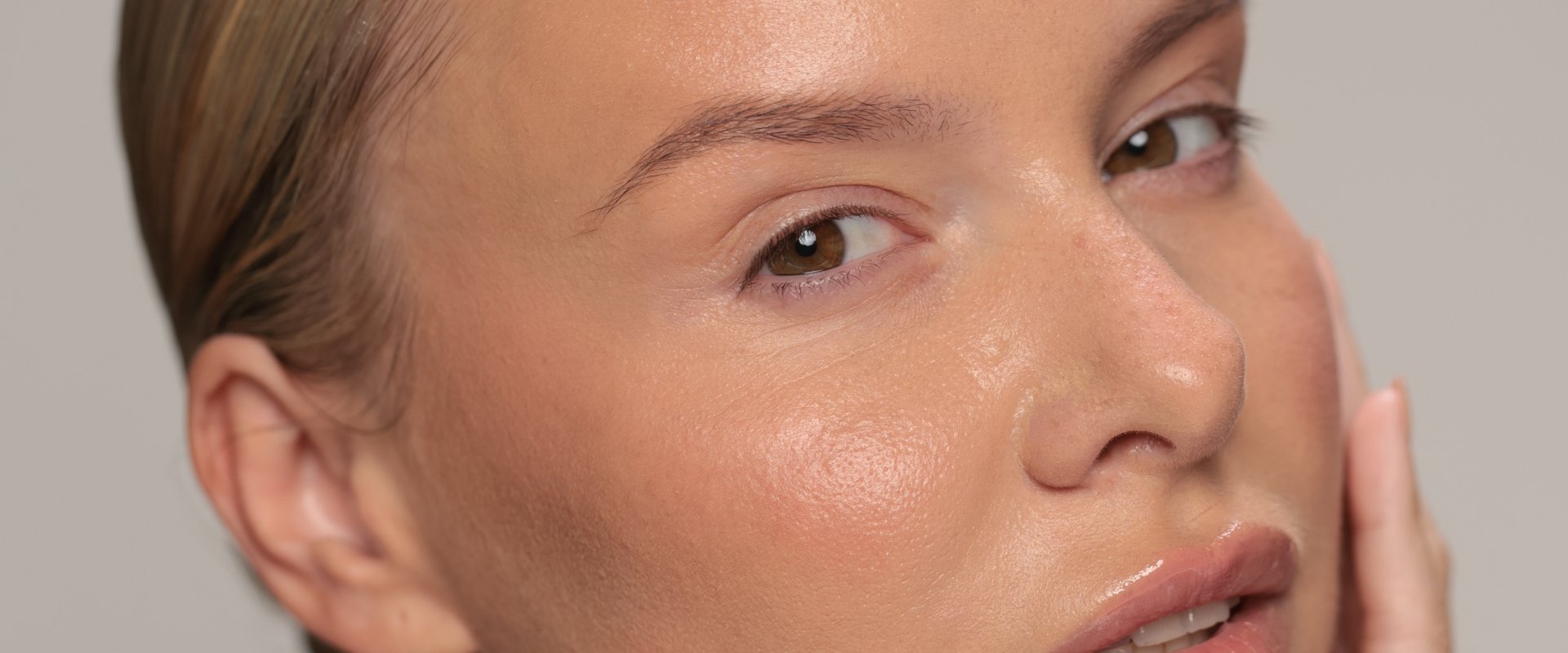
What is facial balancing?
Single-area filler treats one zone in one visit: the lips, or the cheeks, or the chin. Facial balancing is different in scope. It is a planned course of dermal filler that addresses structural volume loss across the whole face, typically 4 to 6 syringes, usually across 1 to 2 sessions, and priced as a package rather than per area. The point is not more filler for its own sake. It is that the features are treated in relation to each other, so a chin that is brought forward is planned alongside the cheeks and jawline it sits between.
Most clients who come in for balance combine 2 to 3 areas in one visit. Our injectors plan to the specific face in the chair, not to a checklist, because filler that reads natural on one face reads overdone on another. Lip filler that looks feminine on one person looks heavy on the next; chin and cheek filler that lift one jawline can distort another. That judgment is the whole treatment.
Does facial balancing mean a symmetrical face?
It does not, and it should not. In the reel embedded below, our team puts it this way: "Facial balancing is about creating harmony between your features, not trying to make both sides identical." No face is perfectly symmetrical, and a plan that tries to force one usually produces a face that looks worked on rather than rested. What balancing aims for is proportion: the relationship between the forehead, midface, and lower face, the projection of the chin against the lips, the line of the jaw against the cheek. The goal is a more balanced version of your own face, not a different one.
The goal is not perfection. It is balance, proportion, and a result that still looks like you.
Whether balancing is right for a given face, and which areas belong in the plan, is decided at an in-person consultation, not from a photo. — Dr. Lusanik Galustian, MD
Which areas does full facial balancing involve?
The cheeks are the most requested area for facial balancing patients. Midface filler restores volume that has been lost with age and lifts the nasolabial folds from above, which is why we often treat smile lines from the cheeks first rather than filling the line directly. The chin is the second pillar: chin filler lengthens a short chin, projects a recessed one, or balances a soft jawline, with a strong effect on the profile. Jawline filler along the mandibular line adds definition and is especially useful for jowls or volume lost after weight loss.
Beyond those three, temple filler replaces hollowing at the sides of the forehead, and tear trough filler corrects the sunken look under the eyes. The under-eye area is highly technique dependent; we use a cannula there for safety, and not every anatomy tolerates filler in that zone, so it is not automatically part of a plan. Lip filler is planned in proportion to the rest of the face rather than as a separate goal. Which of these areas belong in your plan depends on where your volume has been lost and how your features relate, not on a fixed menu.
Can facial balancing use Botox or Sculptra instead of filler?
Filler is the core of balancing because it adds structure where structure is missing. Two other treatments play supporting roles. Sculptra, a collagen stimulator, is used strategically for balancing when gradual volume and skin-quality change are wanted rather than immediate volume. Masseter Botox pairs with jawline filler when jaw slimming is part of the goal, since it works on muscle rather than volume. Our comparison of Sculptra, fillers, and Botox walks through which does what; for balancing specifically, hyaluronic acid filler does the structural work and the others refine it.
How is a facial balancing plan made at Skinsation LA?
It starts with analysis, not injection. At the consultation your injector looks at facial proportions and volume-loss patterns, and at what you want to change and what you want to keep. Reference photographs are taken at set angles and kept private. In the reel below our team also describes using 3D facial imaging to look at the face from every angle and identify subtle imbalances before the plan is built. Facial balancing at Skinsation LA is a listed specialty of Farah Chahine, PA-C, MMS, with medical oversight from Dr. Galustian.
We use premium hyaluronic acid fillers exclusively: Juvederm, Restylane, and RHA. If a result is not what we planned, hyaluronic acid filler can be dissolved with hyaluronidase. That safety net is why we do not offer fillers we cannot reverse, and it matters more in a multi-area plan than anywhere else.
- Which features are driving the imbalance, and which ones you want left alone.
- One session or two. A 4 to 6 syringe plan is often split so the first areas settle before the next are placed.
- The order of areas. Cheeks usually come before smile lines; chin and jawline are planned together.
- Any event on the calendar, since the final result is judged at 2 weeks.
What should you expect from the treatment?
A filler session runs 30 to 60 minutes. Topical numbing is applied first, and the fillers we use contain lidocaine for comfort during the treatment. Placement uses a cannula for deeper layers and a needle for precision points, and you can watch in the mirror as we work. The change is visible immediately; some swelling resolves over 2 to 5 days, the final result is judged at 2 weeks, and a touch-up is scheduled 2 to 3 weeks out if one is needed. Depending on the area, results last 6 to 18 months: cheek, chin, and jawline filler tend to hold 12 to 18 months, while lips and the under-eye area run shorter. Our filler aftercare page covers the first 24 hours, the two weeks that follow, and when to contact us.
Our office is on San Vicente Boulevard in Carthay Circle, and we see facial balancing clients from across Los Angeles, Beverly Hills, and West Hollywood.
- Facial balancing is a planned multi-area filler course, typically 4 to 6 syringes over 1 to 2 sessions, priced as a package.
- It does not aim for a symmetrical face. No face is perfectly symmetrical; the goal is proportion between features and a result that still looks like you.
- Cheeks are the most requested area; chin, jawline, temples, under-eyes, smile lines, and lips can all be part of the plan.
- We use hyaluronic acid fillers only, so the plan is reversible with hyaluronidase.
- Results show immediately, settle at 2 weeks, and last 6 to 18 months depending on the area.
This article is general education, not medical advice, and individual results vary. Whether facial balancing suits you, and which areas belong in the plan, is decided at an in-person assessment. — Dr. Lusanik Galustian, MD
View this reel on Instagram